Silence is not a verdict
Let a short pause happen without treating it as a verdict. Take a sip, comment on something around you or ask a gentle follow-up to what you were discussing. You can acknowledge the quiet with a small joke, but you do not have to fill every gap.
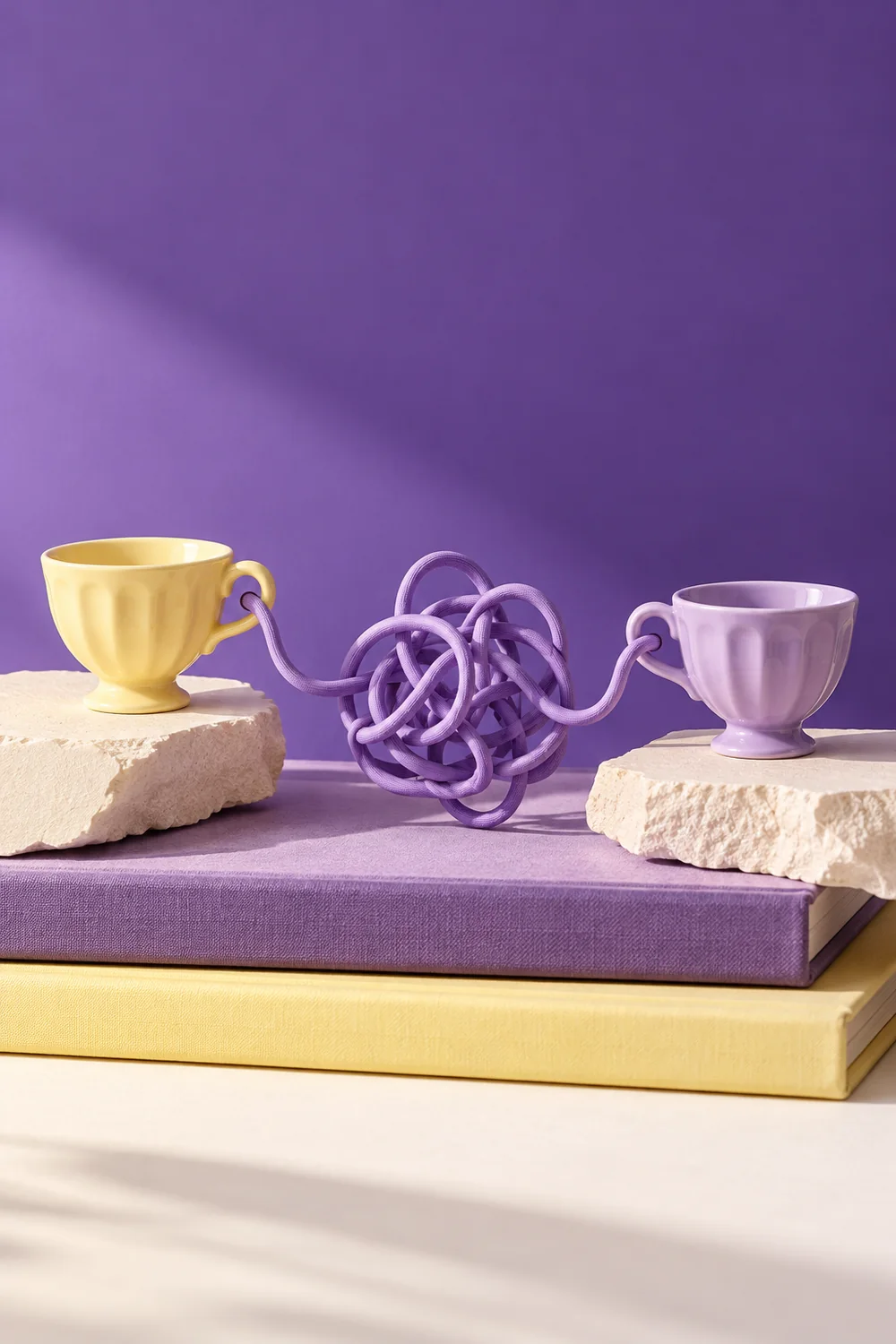
There is a particular quiet on a date that makes your brain file a report. The report says you have failed, they have noticed, and the evening is now a vacant lot. Often the quiet is three seconds long. Your report is faster than the quiet.
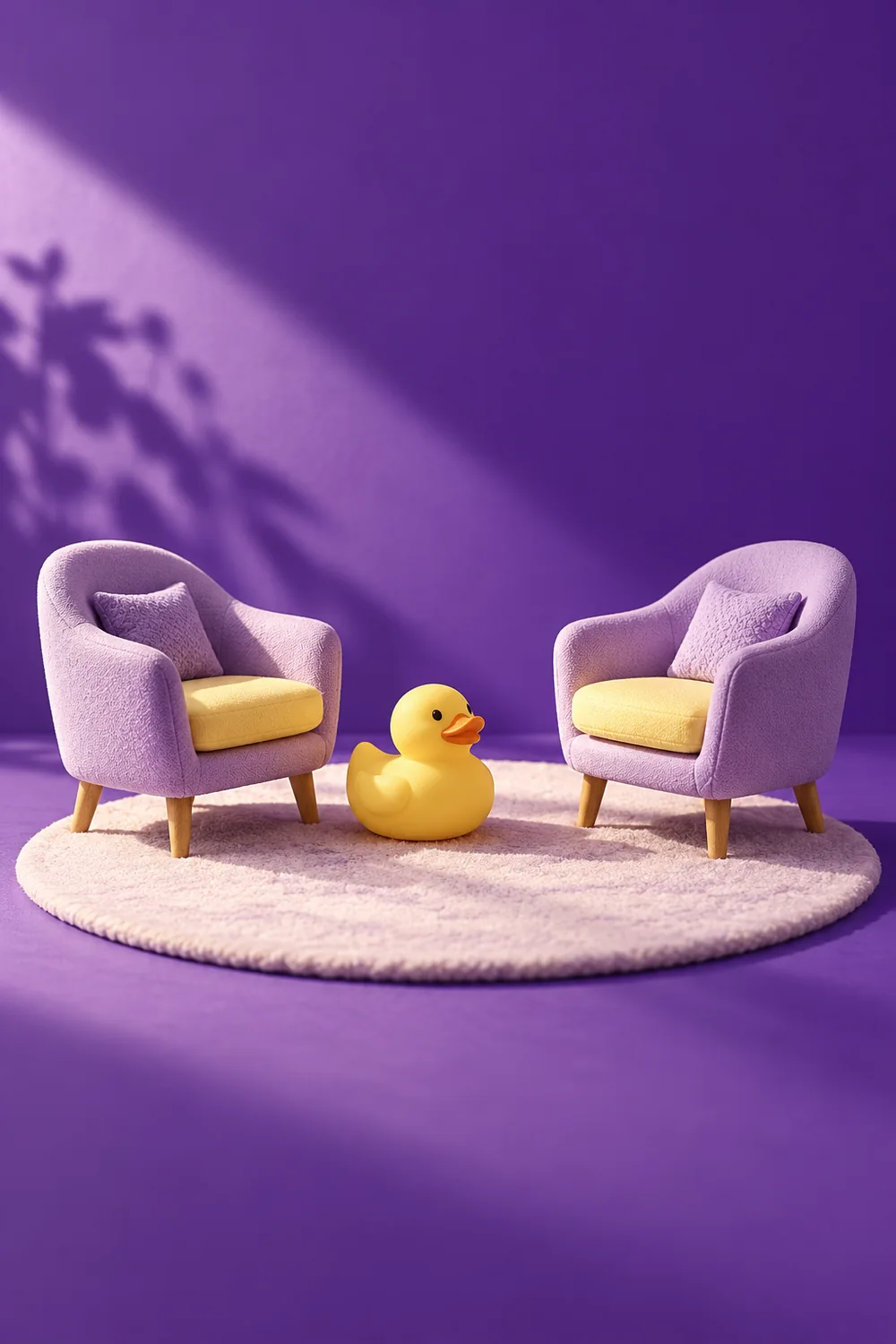
Two people thinking is not an empty room. Someone is choosing a story, chewing, or trying to remember the name of a film without checking a phone like a referee. The interview feeling shows up when both of you treat the gap as a missed cue. You can treat it as a gap. Gaps are allowed in conversations that are going well.
Three kinds of quiet
The thinking kind
They have stopped because the last thing you said was actually interesting. Their face is still with you. Give this one a little time. Filling it is how you step on the answer.
The easy kind
You are both watching the room, the dog, the rain. Nobody is scrambling. This quiet is a good sign wearing a boring coat. You may leave it alone and discover you can sit with someone.
The stuck kind
Eyes on the table. A sentence that died on the way out. Both of you waiting for a topic to report for duty. This is the one that wants a hand. It is also the one people fear, which is why it lasts longer than it needs to.
What to do in the next ten seconds
Name it, if you want company in it. “We’ve entered a professional silence. Should one of us hire the other?” is ridiculous enough to break the spell. A plainer version also works: “I just lost the thread. Where were we?” Naming a silence, like naming the nerves, turns a private alarm into a thing you both can see.
Or point. The room is full of material: a painting of a horse with ambitious eyes, a menu item that should not be a menu item, a person outside walking like the pavement is a suggestion. Pointing is gentler than producing a new topic from a cold start.
Or ask something smaller than the question you think you should ask. “What are you looking at?” beats “what do you want from life?” when the table has gone shy. If you want a prepared oddball, borrow one from questions that skip the résumé, then follow their answer off the list.
Count a slow five before you rescue anything. A lot of stuck silences are thinking silences that someone panicked out of. If after that the air is still thick, rescue it. You are allowed to be the person who restarts the chat. That person is useful. They are not on trial.
Objects that can sit there too
A tiny object gives the quiet a colleague. Set it down and let it be the awkward one.
- A shared snack. Eating is a respectable way to be quiet on purpose. The scorecard can wait until someone wants a rule.
- One written question, folded, available. Nobody has to open it. A messenger pigeon can hold it if you want the quiet to have a courier. A fortune teller with a carnival voice cannot share a hush. Save him for a louder room.
- Something mildly absurd and quiet. A pocket fidget, a miniature figure, a set of cats that nest. A screaming goat or a pickle with a singing career can speak for a minor complaint later. In a hush, they volunteer you as the noise.
Put the object away when the conversation returns. The nicest quiet is the later one, when you have both stopped managing it.
A line for the stuck kind
“I’m going to stare at this biscuit until one of us thinks of something good. The biscuit has volunteered.”
Arrive with a propOriginal editorial from Dating Gifts. We haven’t tested the concept products mentioned. No Amazon descriptions, reviews, or ratings were used to write this article. How we pick