Play, without announcing a game
Try ranking snacks, drawing terrible maps or inventing kind backstories for objects you spot together. Keep the rules simple, skip the score if it adds pressure, and stop whenever the conversation takes over.
A declared game can feel like entertainment you are responsible for. Someone has to know the rules. Someone might lose. The evening grows a referee. What you want, especially early on, is closer to doodling: something you do together that produces opinions, and then disappears.
These are games in the way wandering is a sport. No board. No app. No prize beyond the moment you both get interested in the same nonsense. If they already love an actual game, bring the invitation and save the tournament for a table that can cope. Tiny pickleball is an excuse for mock commentary. A small card rivalry gives you something to react to besides employment history. A one-syllable word game makes “telephone” the problem, which is a mercy. Offer any of them as “another time” if the evening is still finding its feet. For a first meeting, the equipment-free versions are kinder. They also keep you out of the dinner interview, because it is difficult to deliver a career summary while drawing a disastrous map.
Four ways to do it
Rank whatever is already here
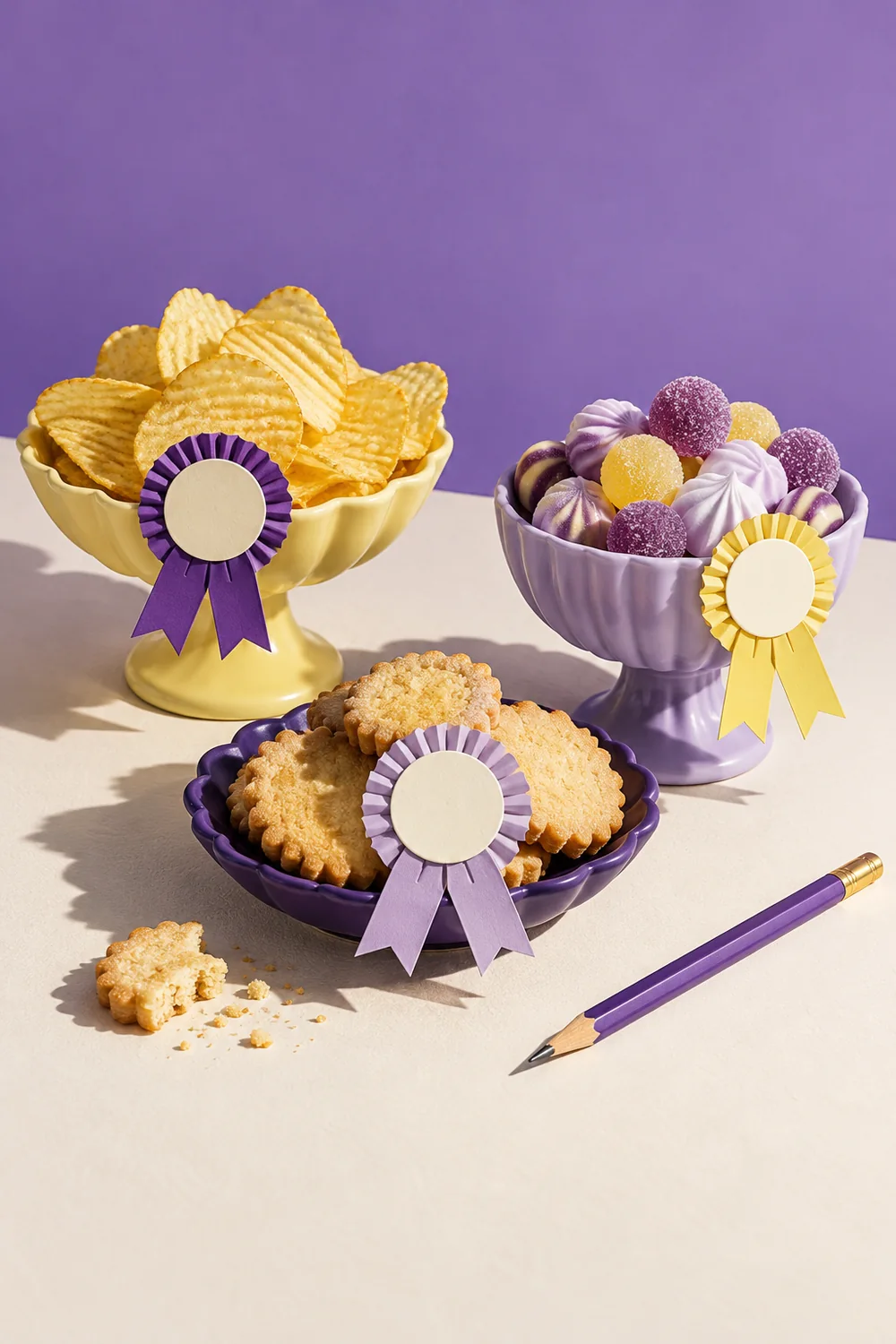
The condiments. The art. Three snacks, if you have gone as far as the official symposium. Pick three categories at most, or you will found a bureaucracy. “Most confident,” “most likely to be lying,” and “the one I would save from a fire” will do. Ties are a sign of maturity.
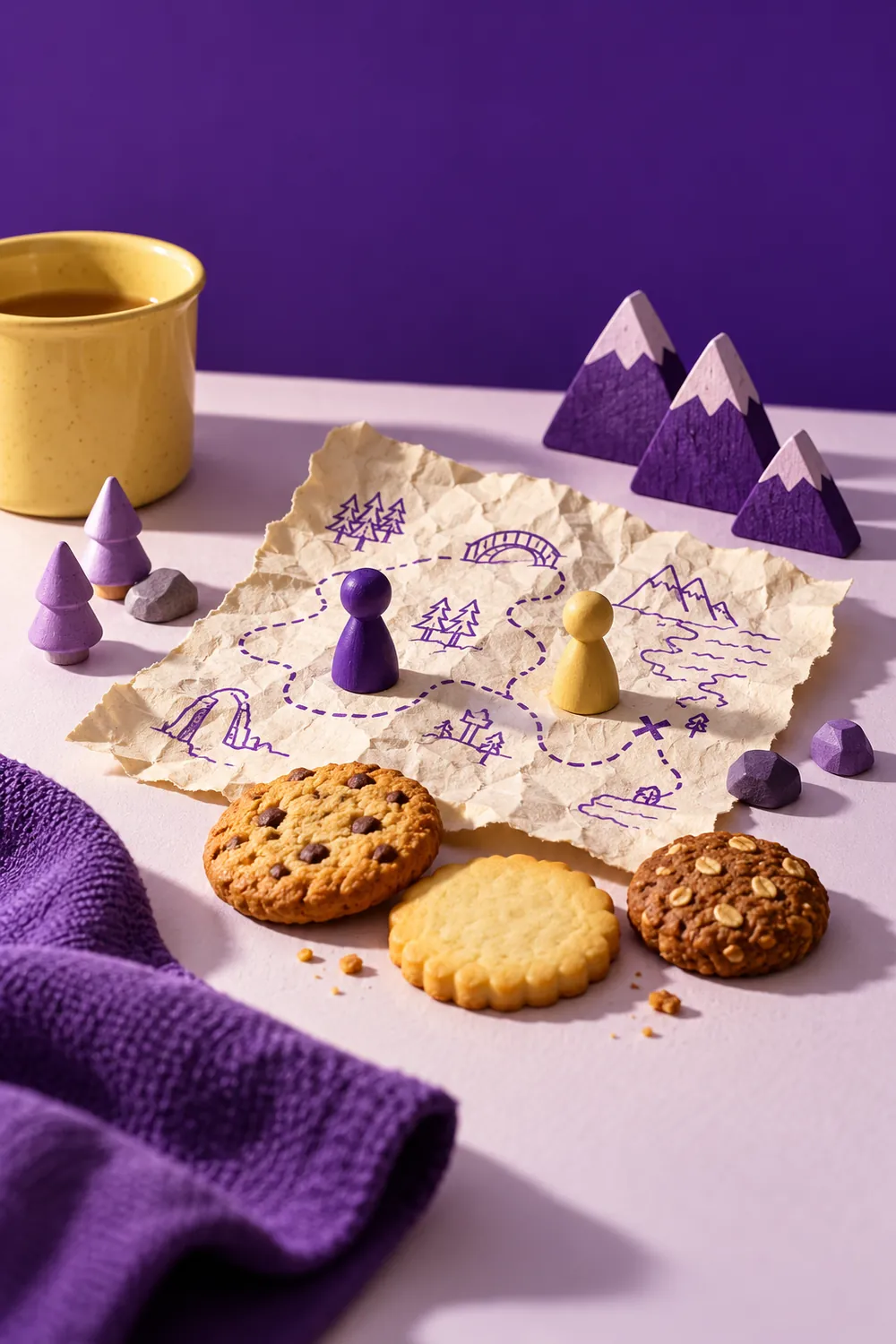
Draw a terrible map
On a napkin, from memory, draw the route you took to get here. Include one landmark you are sure about and one you have invented by accident. Compare. The person with the worse map wins, which is to say nobody wins, which is the correct outcome. Ability is a disadvantage. Apologise to the café by not leaving a mess.
Give something a backstory
Choose a painting, a mannequin, a very committed hat in a window, or a stranger far enough away that this stays a murmur. Invent a hobby for them, a tiny problem, a reason they are walking like that. Keep it fond or absurd. The moment it becomes a comment on someone’s body, clothes as a punchline, or a joke they could overhear and feel smaller, the game is over and you are just two people being unkind in public. Switch to objects. Objects have very few feelings about your wit.
Write the terrible brochure
In two sentences, sell a weekend away that nobody should book. A hotel run by seagulls. A museum you are not allowed to enter, although the gift shop is compulsory. Read them aloud. Steal a detail from theirs and add it to yours. This is flirting in the sense that you are building one joke, if you want it to be. It is also just a nice way to spend a cup of coffee.
How to stop
Stop when you are both in a real story. Stop when it stops being fun for one of you, even if the other still has ideas. A game that isn’t a game should be easy to leave. “I want to hear the actual version of that” is a graceful exit from the bit and an entrance into the person.
You can keep one ranking system for next time. You do not need to become the couple who scores every biscuit, unless you both light up at the thought, in which case we have prepared more prompts and we accept responsibility.
No winner, no debrief
If you find yourselves discussing who was better at the napkin map, the interview has snuck back in. Compliment the worst landmark and ask a real question.
Take the game outsideOriginal editorial from Dating Gifts. We haven’t tested the concept products mentioned. No Amazon descriptions, reviews, or ratings were used to write this article. How we pick